
Haploidentical (Half-Matched) Bone Marrow Transplant in Mumbai by Dr Reetu Jain
Haploidentical Bone Marrow Transplant


Advanced & Affordable Bone Marrow Transplant in Mumbai
Bone marrow transplant (BMT) has become a life-saving treatment for many blood cancers and serious blood disorders. However, not every patient finds a fully matched donor in their family or donor registry. In such cases, Haploidentical (Half-matched) Bone Marrow Transplant offers new hope.
At centers offering Bone marrow transplant in Mumbai, advanced transplant techniques are now available even when a full match is not found. Under the care of experienced specialists like Dr Reetu Jain, known as one of the best hematologists at Jaslok Hospital and a leading hematologist and oncologist in Mumbai, patients can receive safe and effective haploidentical transplants with excellent outcomes.
What Is Bone Marrow and Why Is It Important?
Bone marrow is the soft, spongy tissue inside our bones. It makes:
- Red blood cells (carry oxygen)
- White blood cells (fight infections)
- Platelets (help stop bleeding) When the bone marrow stops working properly due to disease, infection, or cancer, the body cannot survive without treatment. That is when a bone marrow transplant is needed.
What Is a Haploidentical (Half-Matched) Bone Marrow Transplant?
A haploidentical transplant is a type of bone marrow transplant where the donor is only half-matched with the patient instead of fully matched.
“Haplo” means half.
In simple terms:
- A parent
- A child
- A brother or sister
- Sometimes close relatives
Can become donors even if they are only 50% matched.
Earlier, doctors needed a 100% match. But today, with modern medicines and transplant techniques, half-matched donors work very well.
This has increased the success rate of Bone marrow transplant in Mumbai and reduced waiting time for patients.
Why Is Haploidentical Transplant Needed?
Many patients do not find a full match because:
- They have small families
- No sibling is a match
- Unrelated donor search takes too long
- Disease is progressing fast
Haploidentical transplant solves this problem because:
- Almost every patient has a half-matched family donor
- No need to wait months
- Faster treatment
- Life-saving option
With expert care from a leading hematologist and oncologist in Mumbai, haploidentical transplants are now as successful as fully matched transplants in many cases.
Diseases Treated with Haploidentical Bone Marrow Transplant
A haploidentical transplant may be used for:
- Blood Cancers:
- Leukemia (ALL, AML, CML)
- Lymphoma
- Multiple myeloma
- Blood Disorders:
- Aplastic anemia
- Thalassemia major
- Sickle cell disease
- Immune System Disorders:
- Severe immune deficiency disorders
Patients looking for the Best cancer specialist in Mumbai for such conditions benefit from transplant expertise and long-term care planning.
Diseases Treated with Haploidentical Bone Marrow Transplant
Who Can Be a Half-Matched Donor?
- A half-matched donor is usually:
- Father or mother
- Son or daughter
- Brother or sister
- Doctors test donor blood to check:
- Tissue match
- Blood group
- General health
A healthy family member is often the best donor. This is why haploidentical transplant is such a powerful option for patients who otherwise had no chance.
Step-by-Step Process of Haploidentical Bone Marrow Transplant
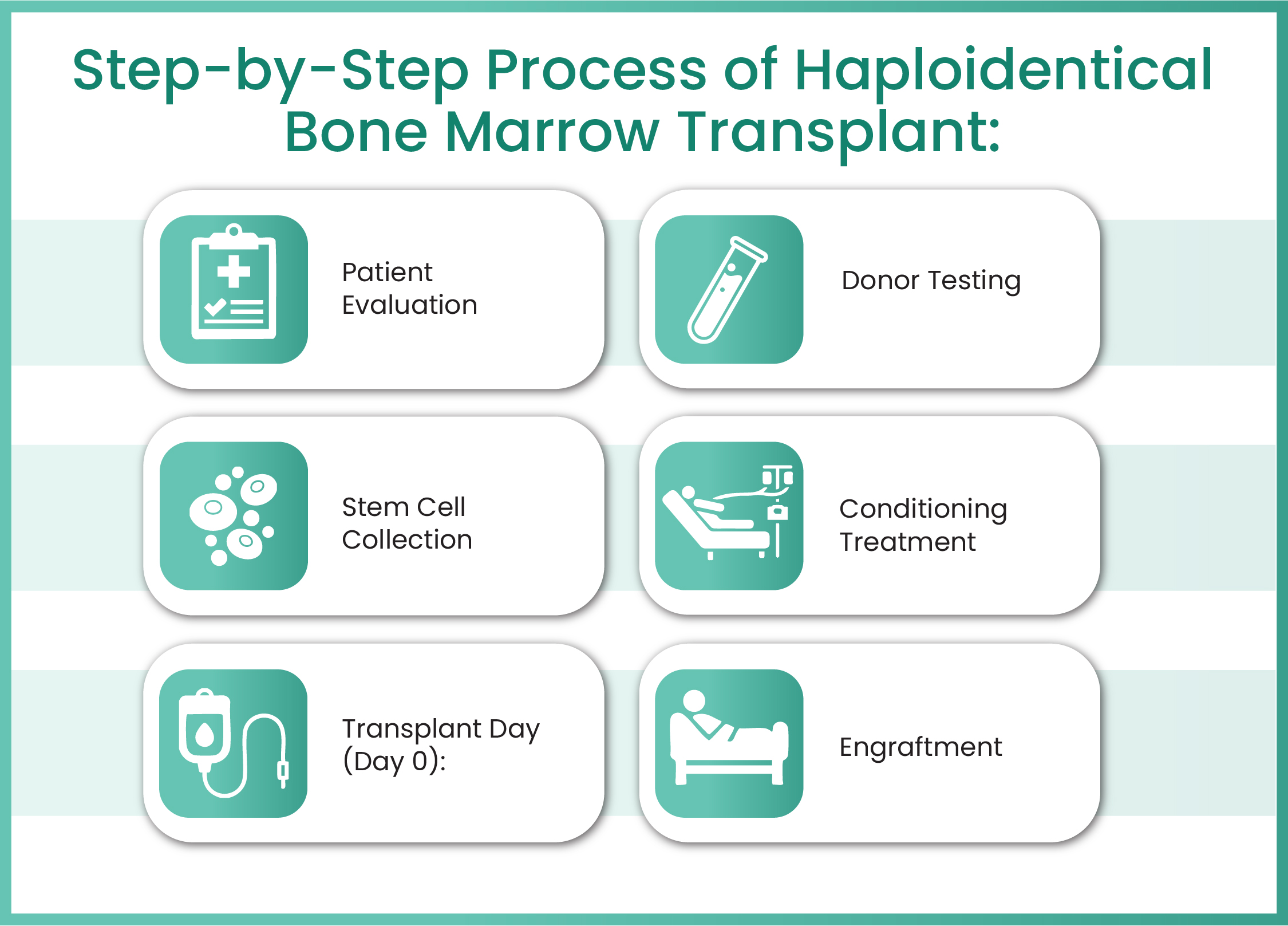
- Patient Evaluation:
- The doctor checks:
- Disease stage
- Organ health (heart, lungs, liver, kidneys)
- Infection status
- Donor Testing:
- The donor is tested for:
- Match level
- Blood diseases
- Viral infections
- Fitness to donate
- Conditioning Treatment:
- Before transplant, patient receives:
- Chemotherapy
- Sometimes radiation Purpose:
- Destroy diseased bone marrow
- Make space for new cells
- Reduce immune rejection
-
Stem Cell Collection:
Stem cells are collected from donor blood using a machine (apheresis).
No surgery is needed in most cases. -
Stem Cell Collection:
Stem cells are collected from donor blood using a machine (apheresis).
No surgery is needed in most cases. -
Transplant Day (Day 0):
The collected stem cells are given through a vein like a blood transfusion.
No operation is done. -
Engraftment:
TNew stem cells start making blood cells in 2–3 weeks. Patient stays in a special sterile room during this time.
What Makes Haploidentical Transplant Safe Today?
Earlier, half-matched transplants had high risk of complications.
Now safety has improved because of:
- Better medicines
- Better infection control
- Better donor selection
- Post-transplant immune suppression
- Advanced protocols
That is why choosing an experienced bone marrow specialist in Mumbai is critical.
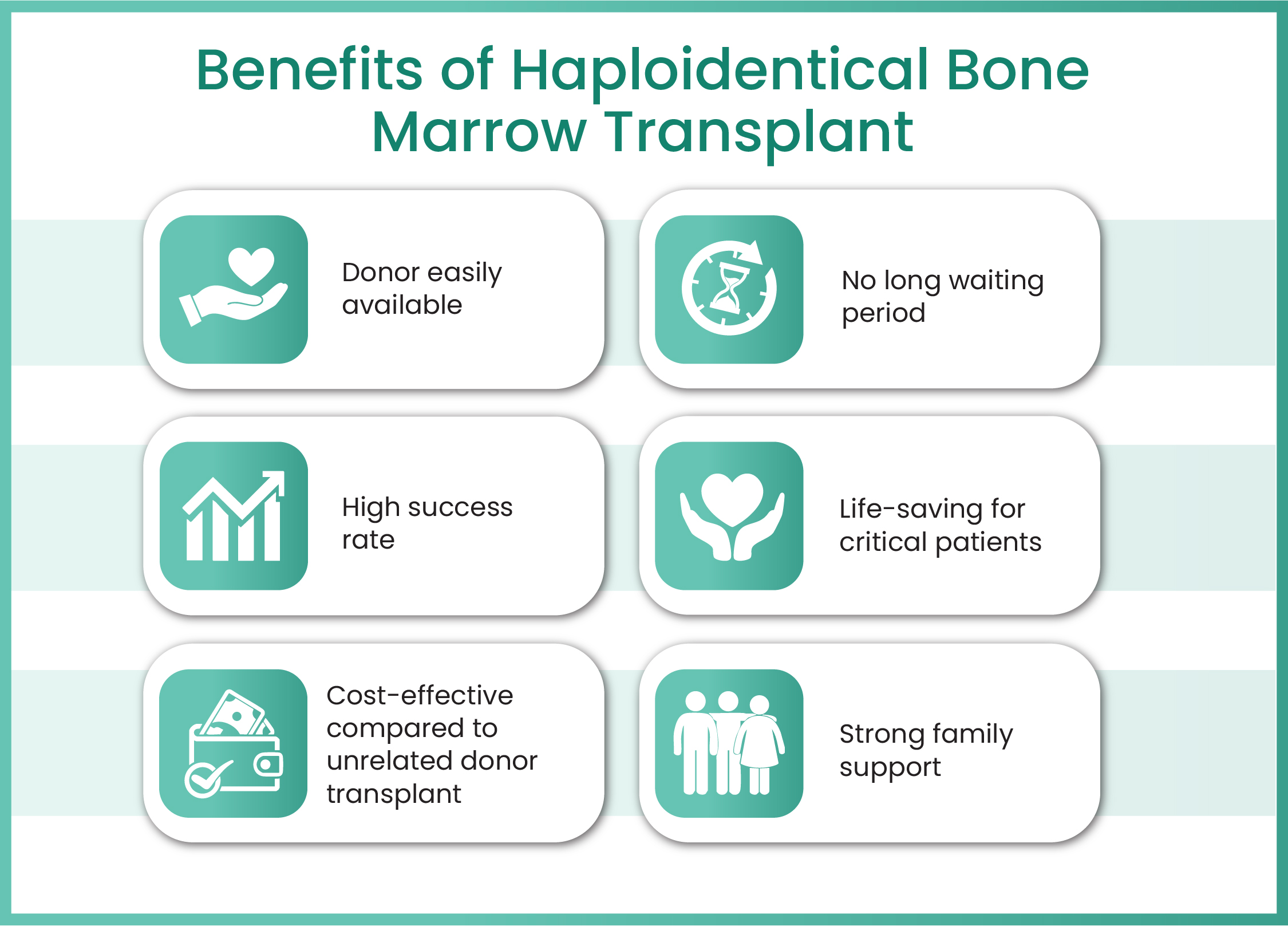
Benefits of Haploidentical Bone Marrow Transplant
-
There is no single cause of GI cancer. Instead, a combination of genetic, environmental, and lifestyle factors increase your risk.
- Donor easily available
- No long waiting period
- High success rate
- Life-saving for critical patients
- Cost-effective compared to unrelated donor transplant
- Strong family support
For patients seeking Bone marrow transplant in Mumbai, this option makes treatment accessible and timely.
Risks and Side Effects
Like all transplants, there are risks:
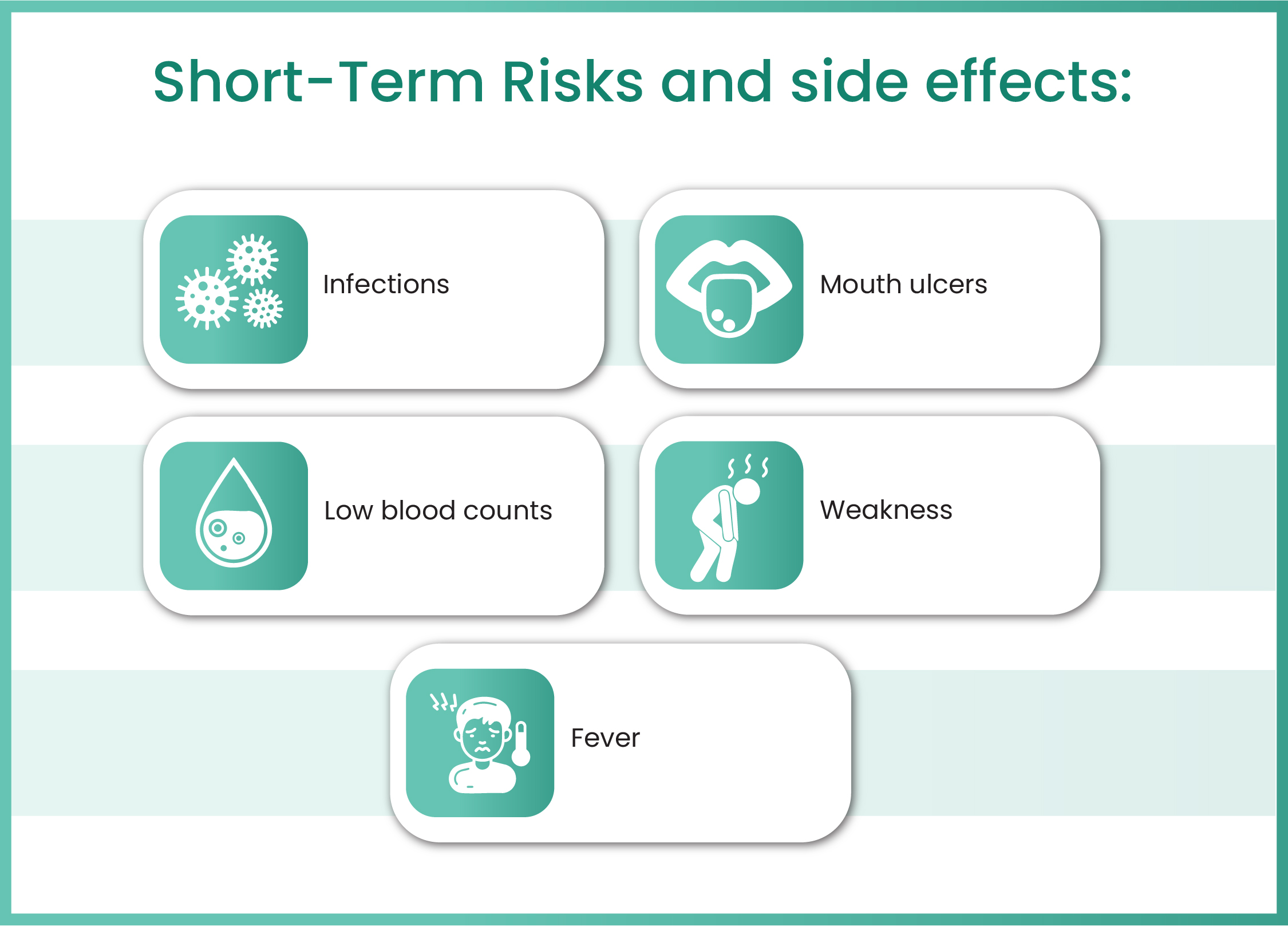
- Short-Term Risks:
- Infections
- Low blood counts
- Fever
- Mouth ulcers
- Weakness
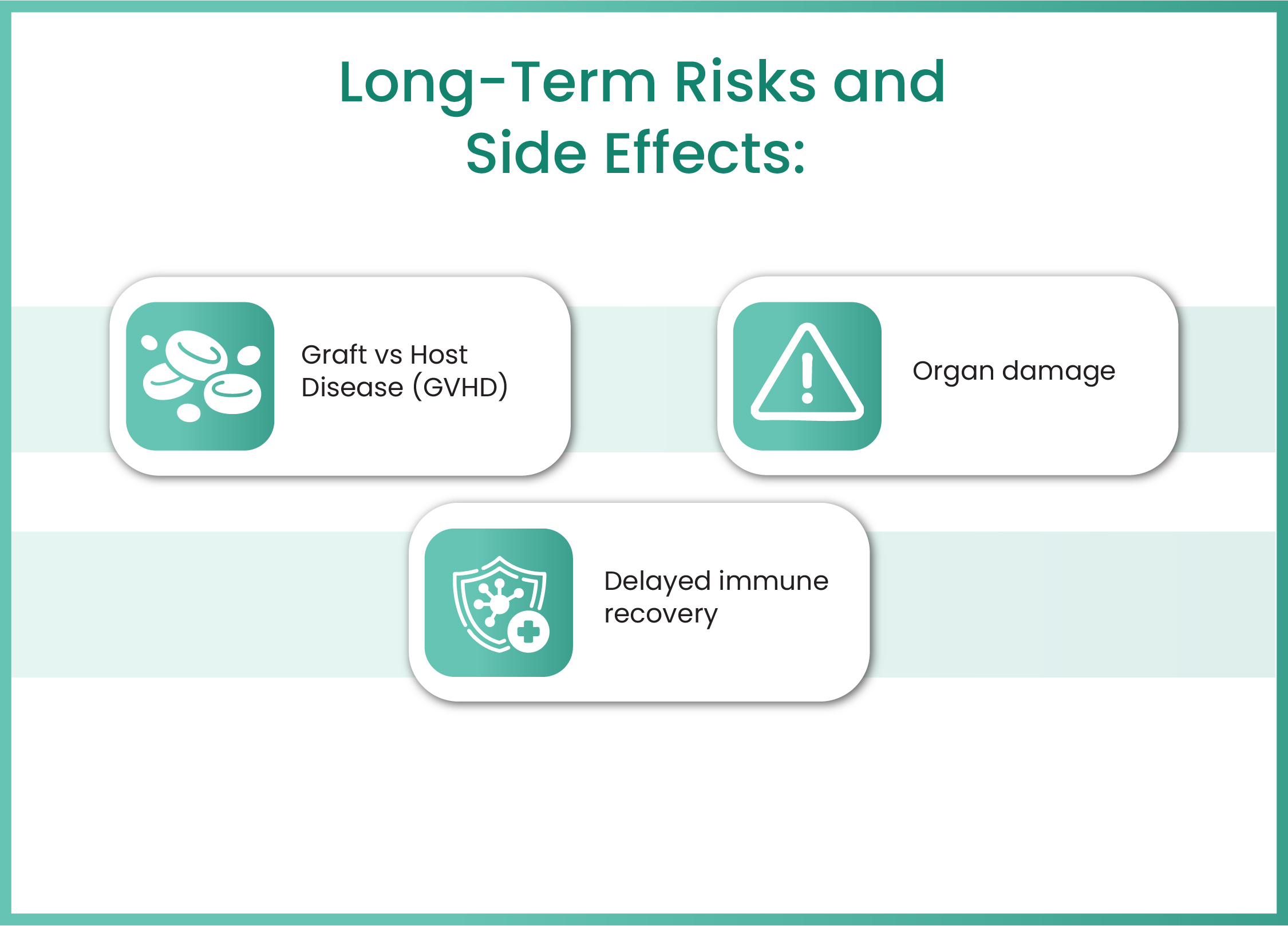
- Long-Term Risks:
- Graft vs Host Disease (GVHD)
- Organ damage
- Delayed immune recovery
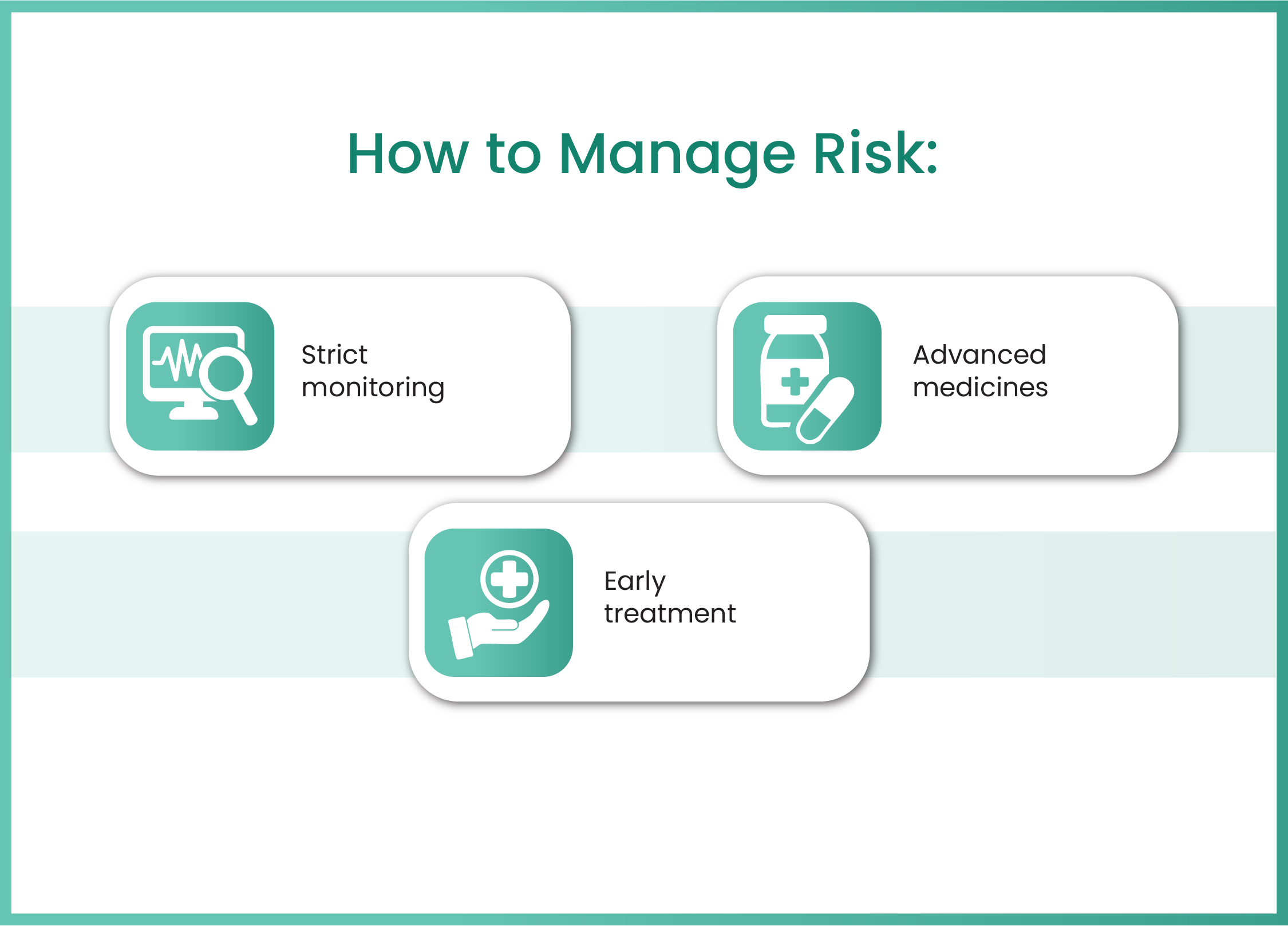
- However, under the care of a leading hematologist and oncologist in Mumbai, risks are managed with:
- Strict monitoring
- Early treatment
- Advanced medicines
What Is Graft vs Host Disease (GVHD)?
GVHD happens when donor cells attack patient tissues.
It can affect:
- Skin
- Liver
- Gut
Doctors control GVHD using:
- Immunosuppressive medicines
- Steroids
- Targeted therapy
With modern haploidentical protocols, GVHD rates are much lower.
Recovery After Haploidentical Bone Marrow Transplant
Recovery takes time and patience.
First 3 Months:
- Risk of infection
- Frequent hospital visit
- Weak immunity
3 to 12 Months:
- Gradual strength return
- Immune system improves
- Normal diet slowly resumed
Patients under expert guidance from Dr Reetu Jain receive structured follow-up plans.
Life After Transplant
Like all transplants, there are risks:
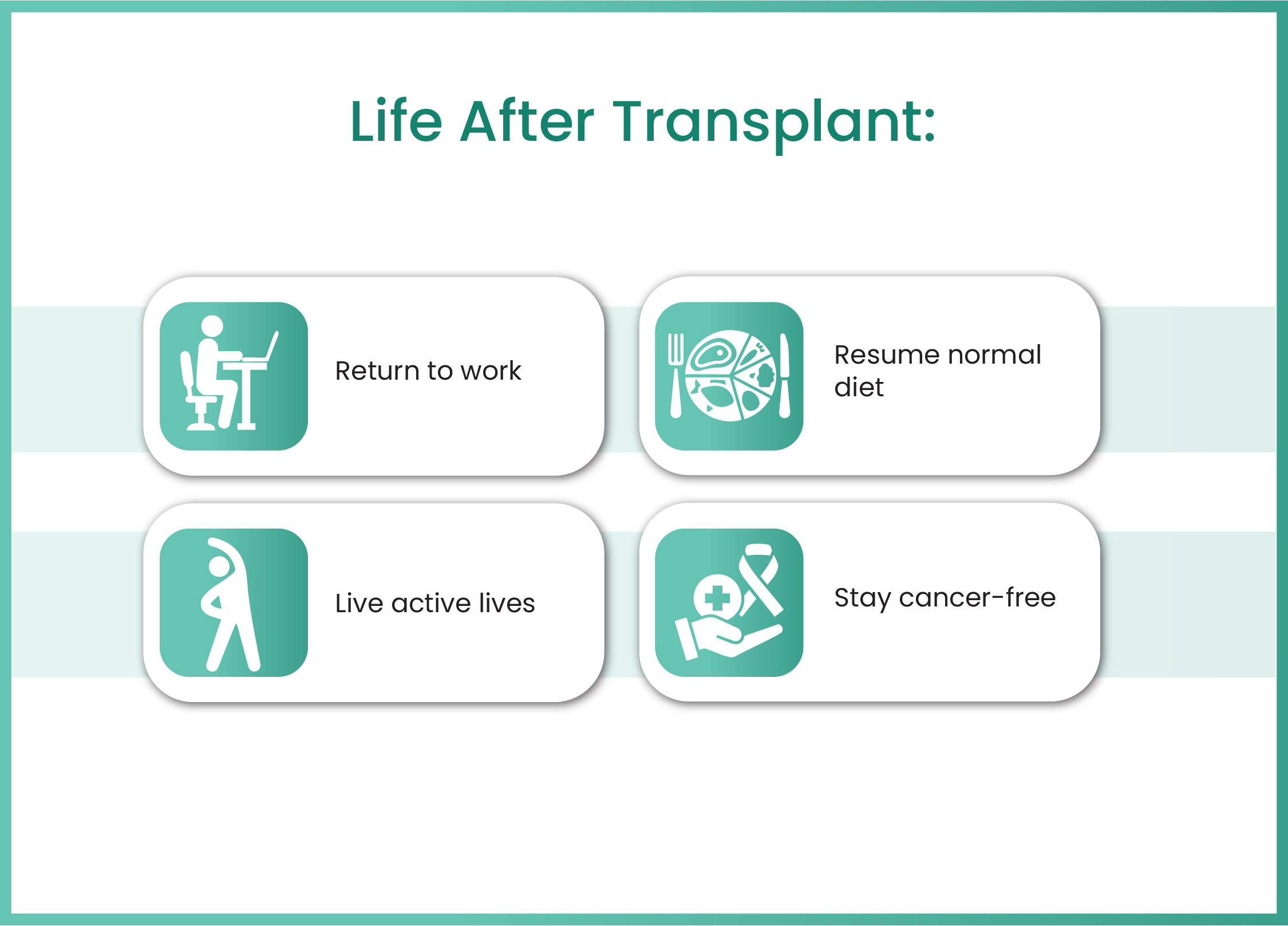
Most patients can:
- Return to work
- Resume normal diet
- Live active lives
- Stay cancer-free
Long-term follow-up is essential with a trusted bone marrow specialist in Mumbai.
Why Choose an Expert Like Dr Reetu Jain?
Choosing the right doctor decides transplant success.
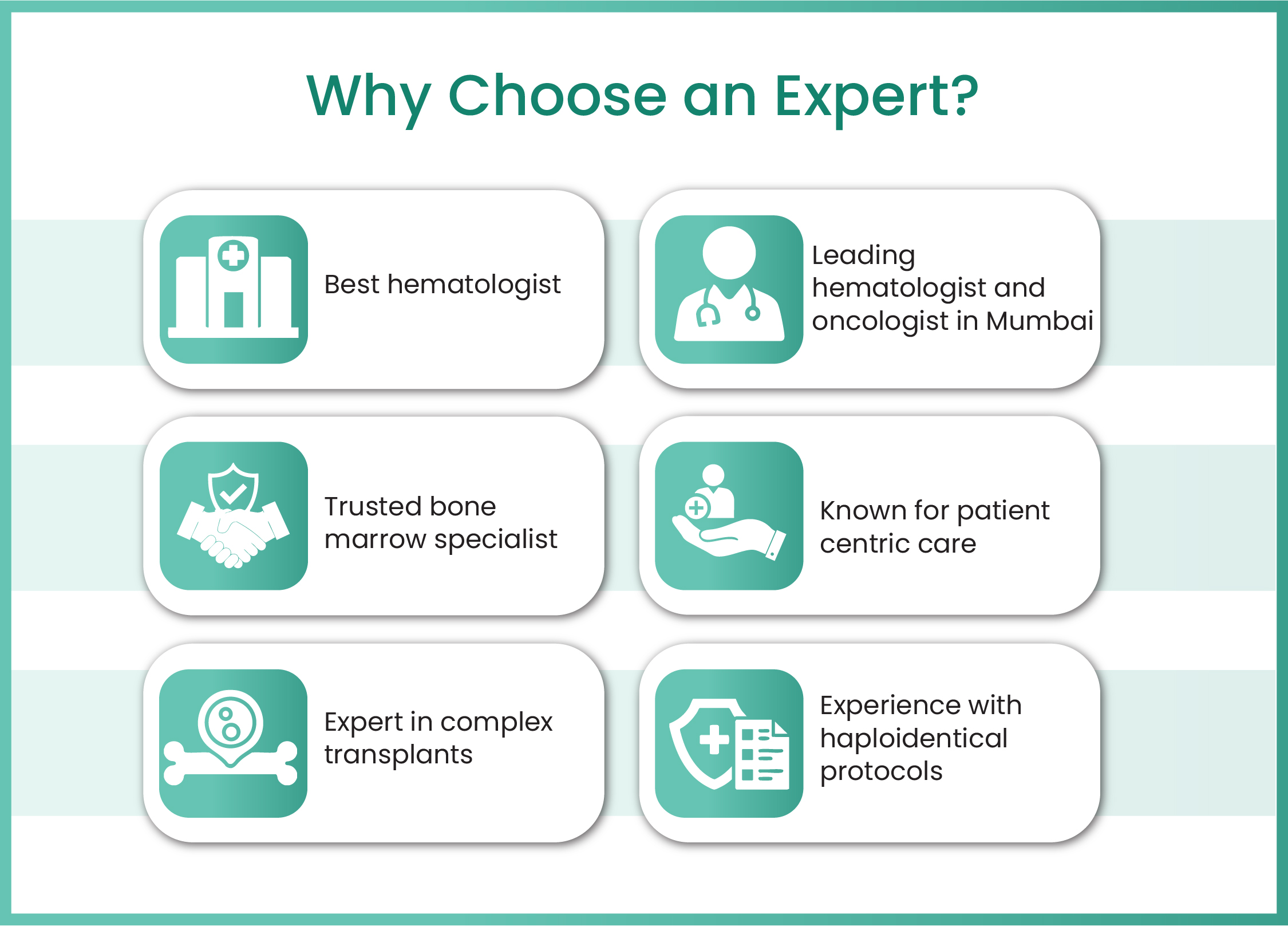
Dr Reetu Jain is recognized as:
- Best hematologist at Jaslok Hospital
- Leading hematologist and oncologist in Mumbai
- Trusted bone marrow specialist in Mumbai
- Known for patient-centric care
- Expert in complex transplants
- Experience with haploidentical protocols
Under her guidance, patients receive:
- Personalized transplant planning
- Safe donor selection
- Advanced supportive care
- Long-term disease monitoring
For patients searching for the Best cancer specialist in Mumbai, her experience adds confidence and safety.
A haploidentical bone marrow transplant has changed the future for patients who once had no donor options. With expert care from specialists like Dr Reetu Jain, known as the best hematologist at Jaslok Hospital and a leading hematologist and oncologist in Mumbai, patients now have access to safe and advanced transplant treatments.
If you or your loved one needs a transplant and are searching for a trusted bone marrow specialist in Mumbai, haploidentical transplant can be a powerful and life-saving solution.
Choosing the right hospital and doctor for Bone marrow transplant in Mumbai can make all the difference — not just for survival, but for quality of life.
Frequently Asked Questions (FAQs)
Q1) Is haploidentical transplant successful?
Yes. With modern methods, success rates are close to fully matched transplants.
Q2) Is donor surgery needed?
No. Stem cells are collected from blood.
Q3) How long is hospital stay?
Usually 4–6 weeks.
Q4) Is the procedure painful?
The transplant itself is painless. Some side effects from chemotherapy occur.
Q5) Can elderly patients undergo this?
Yes, after proper evaluation.