
The First Year After Cancer
The First Year After Cancer


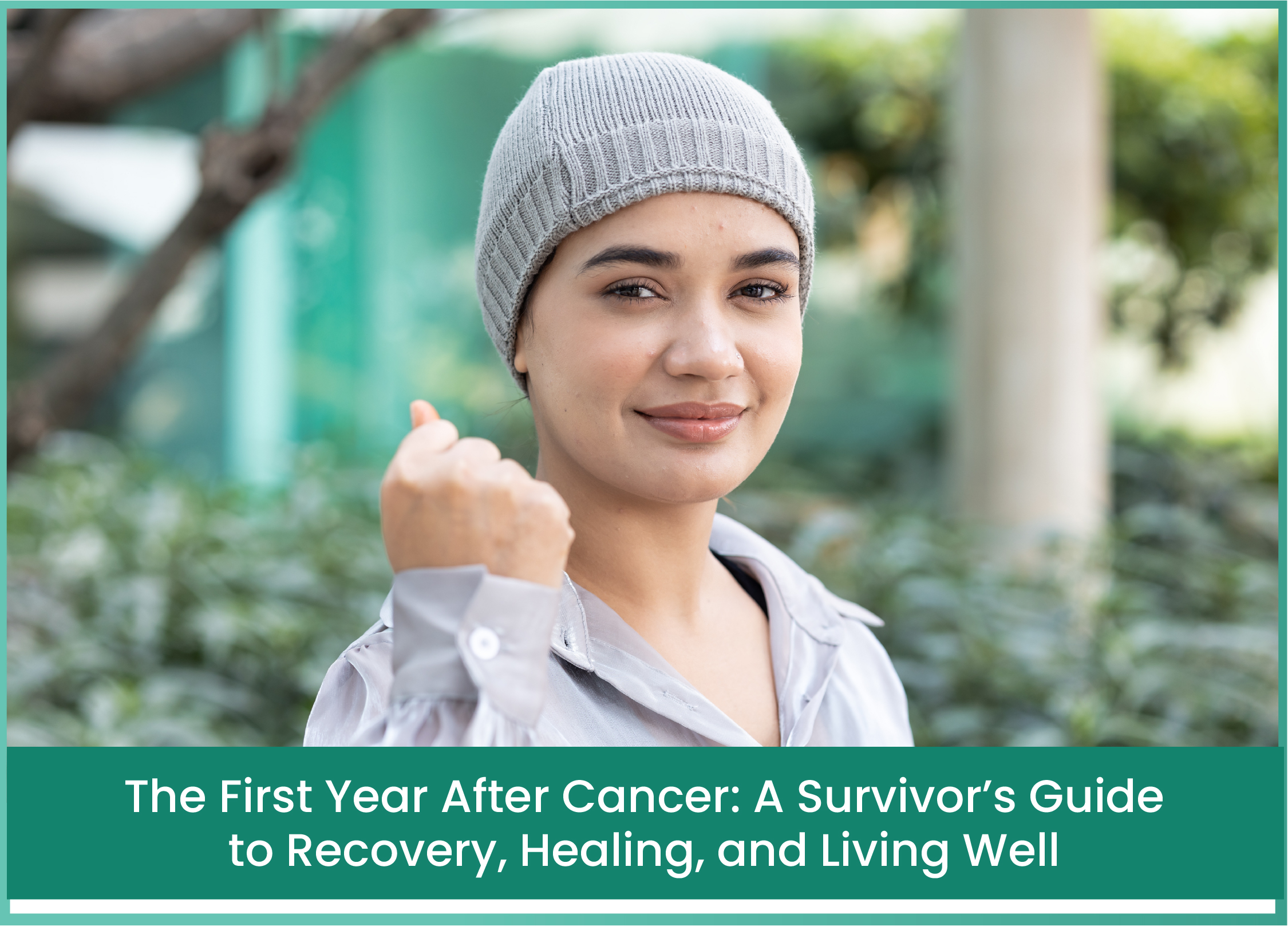
Finishing cancer treatment is a moment that many patients look forward to. Whether it was chemotherapy, immunotherapy, targeted therapy, radiation therapy, or surgery, reaching the end of treatment often feels like crossing a major milestone. Family members celebrate, friends offer congratulations, and everyone hopes life will immediately return to normal. However, many cancer survivors quickly discover that the first year after treatment comes with its own unique challenges and adjustments.
The transition from being a cancer patient to becoming a cancer survivor is not always as simple as it sounds. While treatment may be over, the effects of cancer can continue to impact the body, emotions, relationships, and overall quality of life. Many survivors experience fatigue, anxiety, fear of recurrence, and questions about their future. Some struggle physically, while others face emotional hurdles that they never expected.
The first year after cancer treatment is often referred to as the survivorship phase. This period is incredibly important because it allows patients to heal, rebuild strength, regain confidence, and establish healthy habits that support long-term wellness. With proper guidance from experienced specialists like Dr Reetu Jain, recognized as a Best Cancer Specialist in Tardeo, Best Cancer Doctor in South Mumbai, and Best Medical Oncologist in Mumbai, survivors can navigate this journey with confidence and hope.
Understanding Cancer Survivorship
Cancer survivorship begins the moment a patient is diagnosed and continues throughout life. However, for most people, survivorship truly becomes real when active treatment ends. During treatment, patients often have a structured schedule of appointments, tests, and therapies. Once treatment is completed, many feel as though they are suddenly expected to return to normal life.
This transition can be overwhelming. Some survivors feel relieved, while others feel uncertain or even scared. The regular visits to the hospital that once provided reassurance become less frequent. Patients may wonder whether every ache, pain, or unusual symptom could be a sign that cancer is returning.
Understanding that these emotions are common is important. Survivorship is not just about being cancer-free; it is about learning how to live well after cancer and embracing a new chapter of life with confidence and support.
Why the First Year Matters So Much?
The first year after cancer treatment is often considered the most important period of recovery. During this time, the body continues to heal from the effects of treatment, and doctors closely monitor patients for any signs of recurrence or long-term side effects.
Cancer therapies can affect nearly every system in the body. Some patients experience lingering fatigue, nerve damage, hormonal changes, digestive issues, or weakened immunity. Emotional recovery is equally important. Many survivors experience anxiety, depression, or fear about the future.
Regular follow-up appointments help ensure that any concerns are identified and managed early. Working with an experienced oncologist such as Dr Reetu Jain allows patients to receive personalized survivorship care that focuses on both physical and emotional health.
Physical Recovery Takes Time
One of the biggest surprises for many cancer survivors is how long physical recovery can take. Patients often assume that once treatment is finished, they will immediately regain their energy and strength. In reality, healing can take several months or even years depending on the type of cancer and treatment received.
The body works hard to repair damaged tissues, restore normal function, and recover from the stress of treatment. During this period, patients may experience fluctuations in energy levels and stamina. Some days may feel productive and positive, while others may be more challenging.
It is important to remember that recovery is not a race. Every survivor's journey is different, and comparing oneself to others can create unnecessary stress. Listening to the body and allowing adequate time for healing is an essential part of the recovery process.
Coping with Cancer-Related Fatigue
Fatigue is one of the most common complaints among cancer survivors. Unlike ordinary tiredness, cancer-related fatigue often feels overwhelming and may not improve completely with rest. Survivors may feel exhausted after simple daily activities that previously required little effort.
This fatigue can affect work, social activities, family responsibilities, and overall quality of life. Many survivors become frustrated because they expect their energy to return immediately after treatment ends.
Fortunately, fatigue usually improves gradually over time. Gentle physical activity, proper nutrition, hydration, quality sleep, and stress management techniques can all help improve energy levels. Patients should discuss persistent fatigue with their oncologist to rule out other medical causes and receive appropriate support.
Nutrition and Healing After Cancer
Good nutrition plays a critical role during the first year after cancer treatment. The body needs adequate nutrients to repair tissues, rebuild muscle mass, strengthen immunity, and restore overall health.
Many survivors experience changes in appetite, taste, or digestion after treatment. Some gain weight due to reduced activity levels, while others struggle to regain weight lost during treatment. Establishing healthy eating habits can significantly improve recovery outcomes.
A balanced diet rich in fruits, vegetables, whole grains, lean proteins, and healthy fats provides the nutrients needed for healing. Staying hydrated is equally important. Cancer survivors should avoid extreme diets and instead focus on sustainable eating patterns that support long-term wellness.
Managing Long-Term Side Effects
Even after treatment ends, some side effects may continue for months or years. Certain chemotherapy drugs can cause numbness or tingling in the hands and feet, while radiation therapy may lead to long-term tissue changes. Hormonal therapies can cause menopausal symptoms, joint pain, or mood changes.
These side effects can impact daily life and emotional wellbeing. Survivors should never assume that they simply have to live with these problems. Many symptoms can be managed effectively through medications, rehabilitation programs, physical therapy, nutritional support, or lifestyle modifications.
Regular communication with an experienced oncology team is essential for identifying and managing long-term treatment effects.
The Emotional Side of Recovery
Physical healing is only one part of cancer survivorship. Emotional recovery is equally important and often takes longer than expected. During treatment, patients focus on fighting cancer. Once treatment ends, they finally have time to process everything they have experienced.
Many survivors report feelings of anxiety, uncertainty, sadness, or fear. Some worry constantly about recurrence, while others struggle to adjust to changes in their body or lifestyle. These emotional reactions are completely normal and experienced by many cancer survivors.
Support from family, friends, counselors, support groups, and healthcare professionals can make a significant difference. Emotional healing should be viewed as an essential component of recovery rather than something secondary.
Understanding Fear of Cancer Recurrence
One of the most common concerns among survivors is the fear that cancer may return. This fear can be particularly strong during the first year after treatment.
A minor headache, persistent cough, or unusual ache may trigger worry and anxiety. Many patients become hyperaware of every physical sensation, wondering whether it could indicate a recurrence.
While these concerns are understandable, it is important to remember that not every symptom is cancer-related. Regular follow-up care provides reassurance and allows doctors to identify any problems early. Learning to manage fear while maintaining vigilance is an important part of survivorship.
Returning to Work and Daily Activities
For many cancer survivors, returning to work represents a major milestone. Work can provide a sense of normalcy, purpose, and financial stability. However, returning to professional responsibilities may be more challenging than anticipated.
Fatigue, concentration difficulties, and physical limitations can affect performance. Survivors should allow themselves time to adjust and consider flexible work arrangements if needed.
Employers are often willing to accommodate gradual returns to work. The goal should not be to immediately perform at pre-cancer levels but rather to rebuild confidence and stamina over time.
Relationships After Cancer
Cancer often changes relationships in unexpected ways. Family members and friends may have provided extensive support during treatment, but dynamics can shift once treatment ends.
Some survivors feel that loved ones expect them to be completely recovered, even though they may still be struggling physically or emotionally. Others may feel isolated because friends do not fully understand what they have experienced.
Open communication is essential. Sharing feelings, concerns, and expectations can help strengthen relationships and foster mutual understanding during recovery.
Follow-Up Care Is Essential
Many survivors mistakenly believe that completing treatment means they no longer need regular medical care. In reality, follow-up appointments are one of the most important aspects of survivorship.
These visits allow oncologists to monitor recovery, evaluate treatment-related side effects, and check for signs of recurrence. Depending on the type of cancer, patients may require blood tests, imaging studies, physical examinations, or specialized screenings.
As a trusted Best Medical Oncologist in Mumbai, Dr Reetu Jain develops individualized follow-up plans tailored to each patient's unique needs and risk factors.
Survivorship After Lymphoma
Patients recovering from lymphoma often face unique challenges during the first year after treatment. While many achieve remission, ongoing monitoring remains essential.
Regular evaluations help assess immune system recovery, monitor for recurrence, and identify any long-term treatment effects. Survivors may also need support for fatigue, emotional concerns, and lifestyle adjustments.
As a highly respected Lymphoma Specialist South Mumbai, Dr Reetu Jain provides comprehensive survivorship care designed to help lymphoma survivors regain health and confidence.
Living Well After Multiple Myeloma
Multiple myeloma is often considered a chronic condition that requires ongoing management even after successful treatment. Survivors may need regular blood tests, maintenance therapies, and bone health monitoring.
The first year after treatment focuses on maintaining remission, preventing complications, and improving quality of life. Patients benefit greatly from close monitoring by an experienced hematologist.
Individuals seeking care from the Best Hematologist for Multiple Myeloma in Mumbai can receive personalized treatment plans that support long-term disease control and wellness.
Recovery After Ovarian Cancer
Women recovering from ovarian cancer may experience a variety of physical and emotional challenges during the first year after treatment. Hormonal changes, menopausal symptoms, fatigue, and anxiety about recurrence are common concerns.
Regular follow-up care is particularly important because ovarian cancer requires ongoing surveillance. Emotional support, nutritional guidance, and symptom management can significantly improve quality of life.
As an experienced Ovarian Cancer Specialist Tardeo, Dr Reetu Jain helps women navigate survivorship with compassion and expert medical care.
Creating a New Normal
Many survivors eventually realize that life after cancer may not be exactly the same as life before cancer. Rather than viewing this as a loss, many discover opportunities for growth, resilience, and renewed purpose.
Cancer often changes priorities and perspectives. Survivors frequently report stronger relationships, greater appreciation for life, and a deeper commitment to their health and wellbeing.
Creating a "new normal" does not mean forgetting the cancer journey. It means moving forward while embracing the lessons learned and focusing on the future.
The first year after cancer treatment is a time of healing, adjustment, and transformation. While challenges such as fatigue, emotional stress, and fear of recurrence are common, they are also manageable with the right support and guidance.
Recovery involves much more than being cancer-free. It includes rebuilding physical strength, restoring emotional wellbeing, maintaining healthy habits, and staying committed to follow-up care. Every survivor's journey is unique, but no one has to navigate it alone.
With expert guidance from Dr Reetu Jain, recognized as a Best Cancer Specialist in Tardeo, Best Cancer Doctor in South Mumbai, and Best Hematologist for Multiple Myeloma in Mumbai, Lymphoma Specialist South Mumbai, Ovarian Cancer Specialist Tardeo, and Best Medical Oncologist in Mumbai, cancer survivors can confidently move forward toward a healthier, stronger, and more fulfilling future.