
CAR-T Cell Therapy: A Breakthrough in Cancer Treatment


What is CAR-T Cell Therapy?
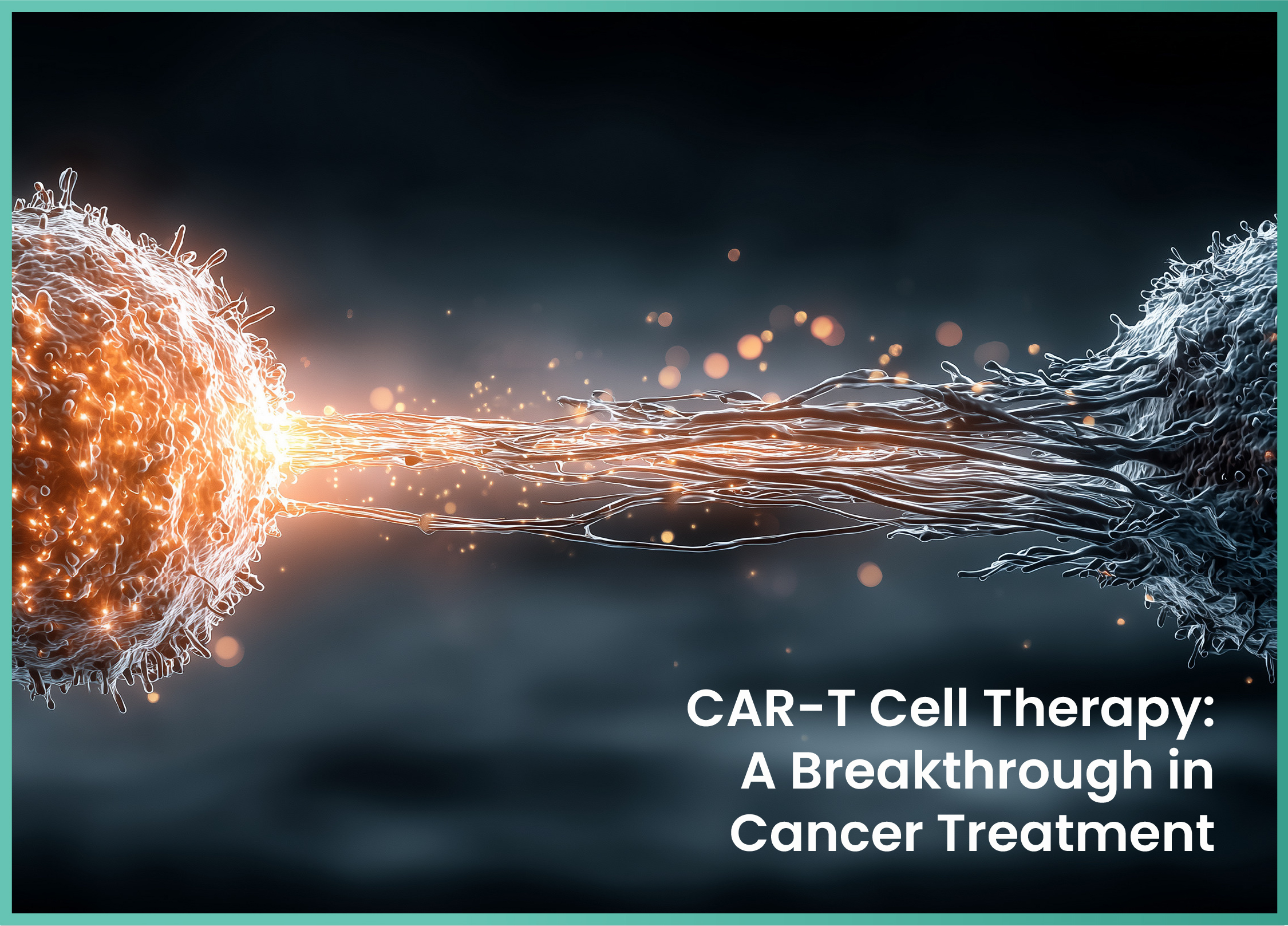
- CAR-T cell therapy stands for Chimeric Antigen Receptor T-cell therapy.
- It is a form of immunotherapy – a treatment that uses the body’s own immune system to fight diseases like cancer.
- This therapy involves modifying a patient's T cells (a type of white blood cell) so they can better recognize and kill cancer cells.
- CAR-T is a personalized therapy – the treatment is made using the patient’s own cells.
How Does It Work?
- Collection (Leukapheresis):
- T cells are collected from the patient’s blood using a machine.
- This process usually takes a few hours.
- Engineering the T Cells:
- In a lab, scientists genetically modify the T cells.
- They insert a new gene into the cells that creates a chimeric antigen receptor (CAR) on their surface.
- This receptor helps the T cells recognize and stick to specific proteins on cancer cells.
- Multiplication
- These modified T cells are then grown in large numbers in the lab.
- Once enough cells are made, they are frozen and sent back to the hospital.
- Preparation (Lymphodepleting Chemotherapy):
- Before receiving the CAR-T cells, patients get a short round of chemotherapy.
- This prepares the body by lowering other immune cells so CAR-T cells can work better.
- Infusion:
- The modified CAR-T cells are infused into the patient’s bloodstream, like a blood transfusion.
- Once inside the body, these cells search, attach to, and kill cancer cells.
What Makes CAR-T Cells Special?
- Normal T cells can attack invaders but often don’t recognize cancer.
- CAR-T cells are “reprogrammed” to identify cancer-specific proteins (called antigens).
- The CAR acts like a GPS system, guiding T cells directly to cancer cells.
- Once the CAR-T cell locks onto a cancer cell, it releases chemicals to destroy it.
Which Cancers Are Treated with CAR-T Cell Therapy?
- Currently approved mainly for blood cancers:
- Acute Lymphoblastic Leukemia (ALL) – especially in children and young adults
- Diffuse Large B-cell Lymphoma (DLBCL)
- Mantle Cell Lymphoma
- Follicular Lymphoma
- Multiple Myeloma
- Research is ongoing to expand its use to solid tumors like lung, breast, and brain cancers.
How Long Does the Treatment Take?
- Cell collection to infusion can take 3 to 6 weeks.
- Hospital stay may be needed for monitoring after infusion.
- Total process varies based on the patient's condition and hospital protocols.
Possible Side Effects
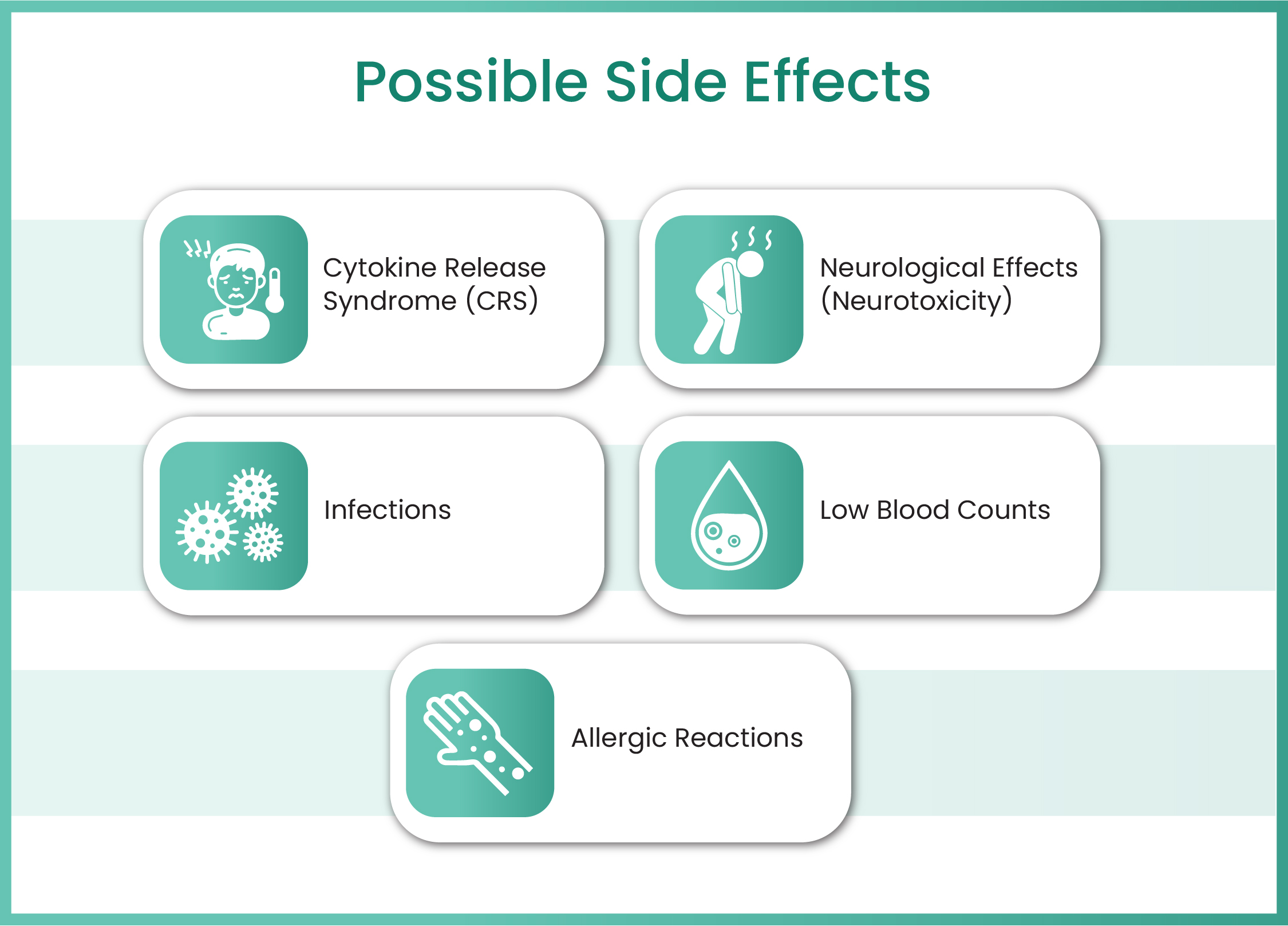
CAR-T cell therapy is powerful and can cause side effects. Some are serious but manageable with proper care.
- Cytokine Release Syndrome (CRS):
- Most common side effect
- Happens when CAR-T cells release too many cytokines (inflammation chemicals)
- Symptoms: fever, low blood pressure, difficulty breathing
- Can range from mild to life-threatening
- Neurological Effects (Neurotoxicity):
- Confusion, difficulty speaking, seizures, headache
- Usually temporary, resolves with treatment
- Infections:
- Due to weakened immune system after chemotherapy
- Preventive antibiotics and close monitoring are used
- Low Blood Counts:
- After chemotherapy, blood counts may stay low
- May need transfusions or growth factors
- Allergic Reactions:
- Rare, but possible during infusion
Who Can Get CAR-T Therapy?
- Usually given to patients who:
- Have relapsed (cancer came back)
- Are refractory (cancer didn’t respond to other treatments)
- Must be in good overall health to handle side effects
- Requires evaluation by a specialist team trained in CAR-T therapy
Where is CAR-T Cell Therapy Available?
- Only available at certified treatment centers.
- Requires experienced healthcare professionals and advanced lab support.
- In India and many countries, it's offered in major cancer hospitals.
Cost of CAR-T Therapy
- CAR-T is an expensive treatment, often costing ₹3 crore (30 million INR) or more globally.
- Cost includes:
- Cell collection and manufacturing
- Hospital stay and monitoring
- Supportive care and medications
- In India, some clinical trials and government support may reduce cost for eligible patients.
Benefits of CAR-T Cell Therapy
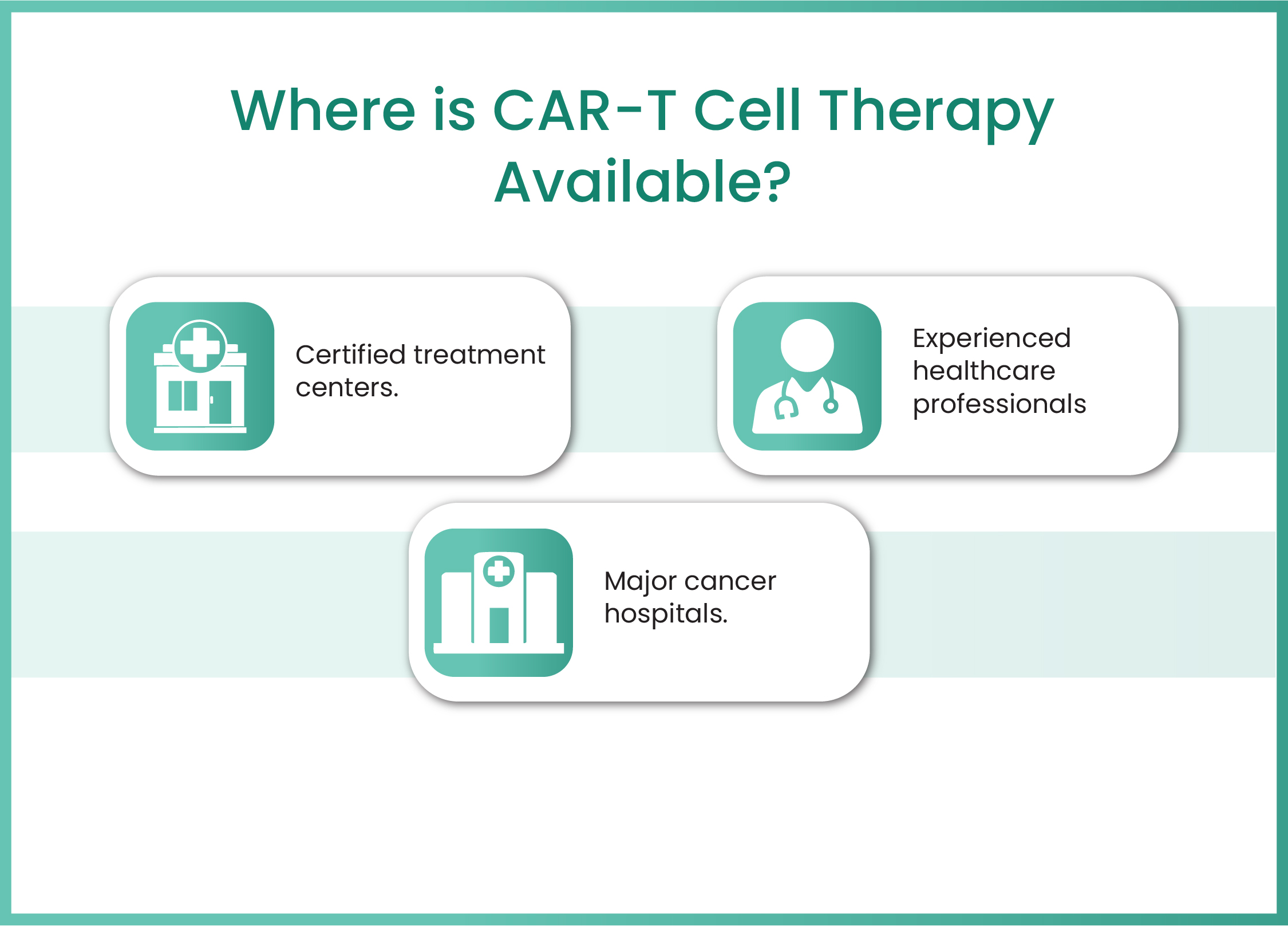
- Personalized treatment using the patient’s own cells
- Can cause long-term remission in patients with few options left
- Offers hope to those with hard-to-treat cancers
- One-time treatment in most cases
Challenges and Limitations
- High cost and limited availability
- Serious side effects require specialized care
- Currently more effective in blood cancers than solid tumors
- Not suitable for all patients
- Relapses may still happen in some cases
What’s Next in CAR-T?
Ongoing research to:
- Make “off-the-shelf” CAR-T cells (from healthy donors)
- Target solid tumors
- Improve safety and reduce side effects
- Use in earlier stages of cancer
- Lower the cost and make it more accessible
Key Takeaways
- CAR-T therapy uses your own immune cells to fight cancer.
- It’s a scientific and medical breakthrough in treating some blood cancers.
- The treatment is custom-made and highly precise.
- Though costly and complex, it offers hope and survival to many.
- Discuss with your doctor if CAR-T therapy is right for you or your loved one.
Talk to Your Doctor
If you or a loved one has been diagnosed with a relapsed or hard-to-treat blood cancer, talk to your oncologist about CAR-T cell therapy. They can guide you on:
- Whether you're eligible
- Where to get the therapy
- What to expect before, during, and after treatment