
Non-Hodgkin Lymphoma


What is Non-Hodgkin Lymphoma?
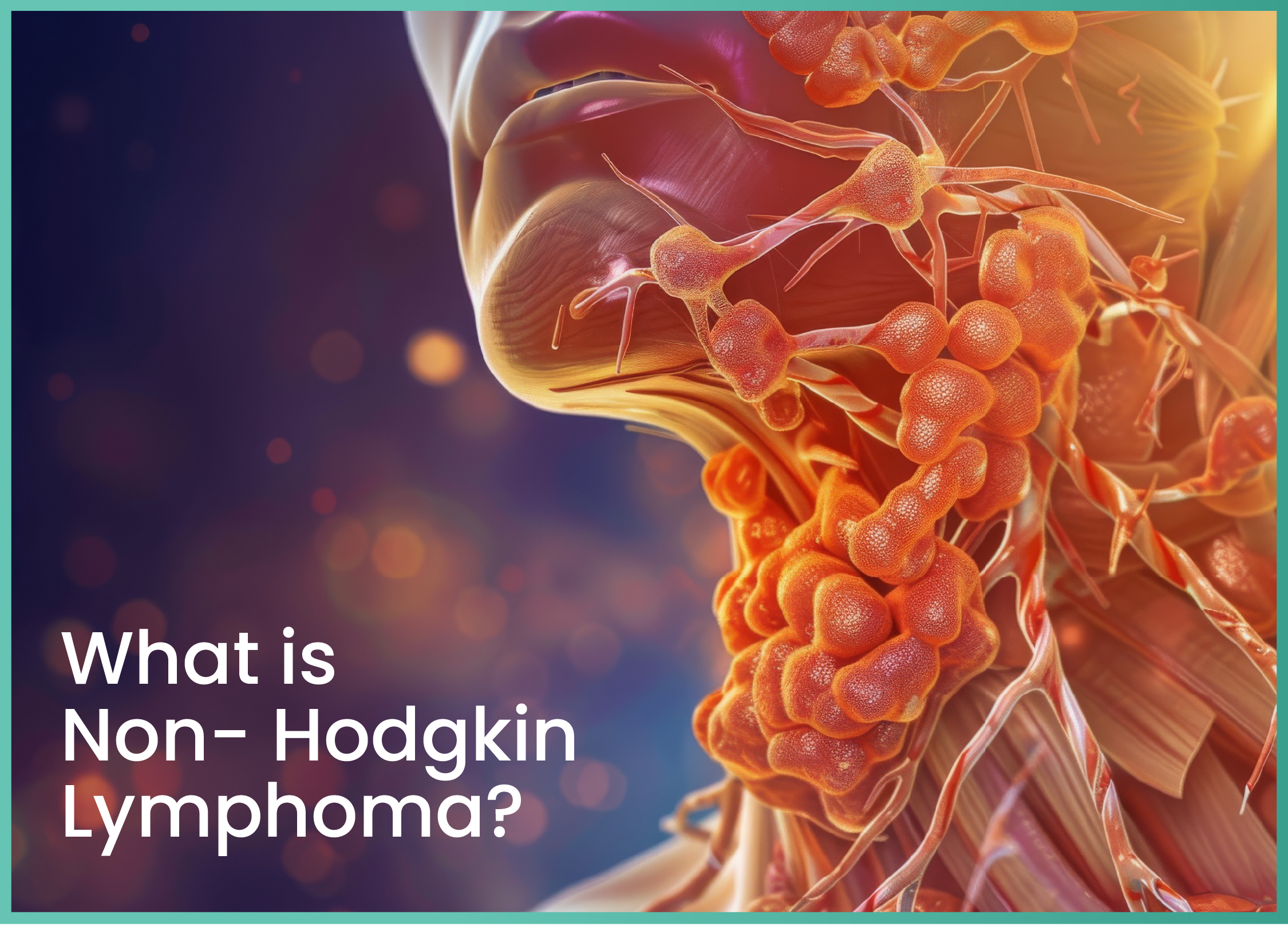
Non-Hodgkin lymphoma is a type of cancer that starts in the lymphatic system- a vital part of your immune system. The lymphatic system includes lymph nodes, spleen, bone marrow, and other tissues that help your body infections. In non-hodgkin lymphoma, white blood cells called lymphocytes grow abnormally and can form tumors throughout the body.
Unlike hodgkin lymphoma, non-hodgkin lymphoma lacks a specific type of abnormal cell called Reed-Sternberg cells. This difference is what sets non-hodgkin lymphoma apart and determines its treatment path and behaviour.
Non-hodgkin lymphoma is not a single disease. It’s a group of related cancers-some aggressive (fast-growing) and others indolent (slow-growing). Treatment and outcomes depend on the exact type and stage of the disease.
Types of Non-Hodgkin Lymphoma:
Non-Hodgkin lymphoma isn’t just one disease/ it’s naturally a group of many different cancers that start in white blood cell called lymphocytes. These lymphocytes are part of your immune system and help your body fight infection. Non-hodgkin lymphoma can behave differently depending on the type of lymphocyte it starts in and how fast or slow it grows.
There are two main groups of Non-Hodgkin Lymphoma:
- B-cell lymphoma (About 85% of NHL cases): These begin in B-lymphocytes (or B-cells), which are the white blood cells that make antibodies to fight infections.
- Diffuse Large B-Cell Lymphoma (DLBCL): Most common type of NHL worldwide. It’s aggressive (fast-growing), but curable in many cases with timely treatment. Often appears as a quickly growing lump in the neck, armpit, or abdomen. May also cause night sweats, weight loss, and fever.
- Follicular Lymphoma: Slow-growing (indolent), but it can become aggressive later. It usually affects middle-aged or older adults. People may live with it for many years, even without treatment in early stages. It often shows up as enlarged lymph nodes in more than one area.
- Mantle Cell Lymphoma: A rare and aggressive type of B-cell NHL. It mostly affects men over 60. Often discovered in advanced stages when it has spread to lymph nodes, bone marrow, and digestive tract.
- Burkitt Lymphoma: Very fast-growing and needs urgent treatment. Commonly seen in children, but adults can get it too. It often affects the abdomen or central nervous system. One of the fastest-growing human tumors, but also highly treatable if caught early.
- T-Cell Non-Hodgkin Lymphomas (About 15% of NHL cases): These begin in T-lymphocytes (T-cells), which help control the immune system and kill infected cells.
- Peripheral T-Cell Lymphoma: A group of aggressive T-cell lymphomas that occur outside the bone marrow. It can show up in the lymph nodes, liver, or skin. Often harder to treat than B-cell lymphomas.
- Cutaneous T-Cell Lymphoma (CTCL): Starts in the skin and causes patches, plaques, or tumors.
- Anaplastic Large Cell Lymphoma: A rare type of T-cell lymphoma. Can affect both adults and children. Some types grow slowly, others aggressively. Can occur in lymph nodes or organs, or even appear after breast implants (in rare cases).
- Angioimmunoblastic T-cell Lymphoma: A rare and aggressive type. Often causes fever, rash, and swollen lymph nodes. May be difficult to diagnose and treat.
Risk Factors of Non-Hodgkin Lymphoma:
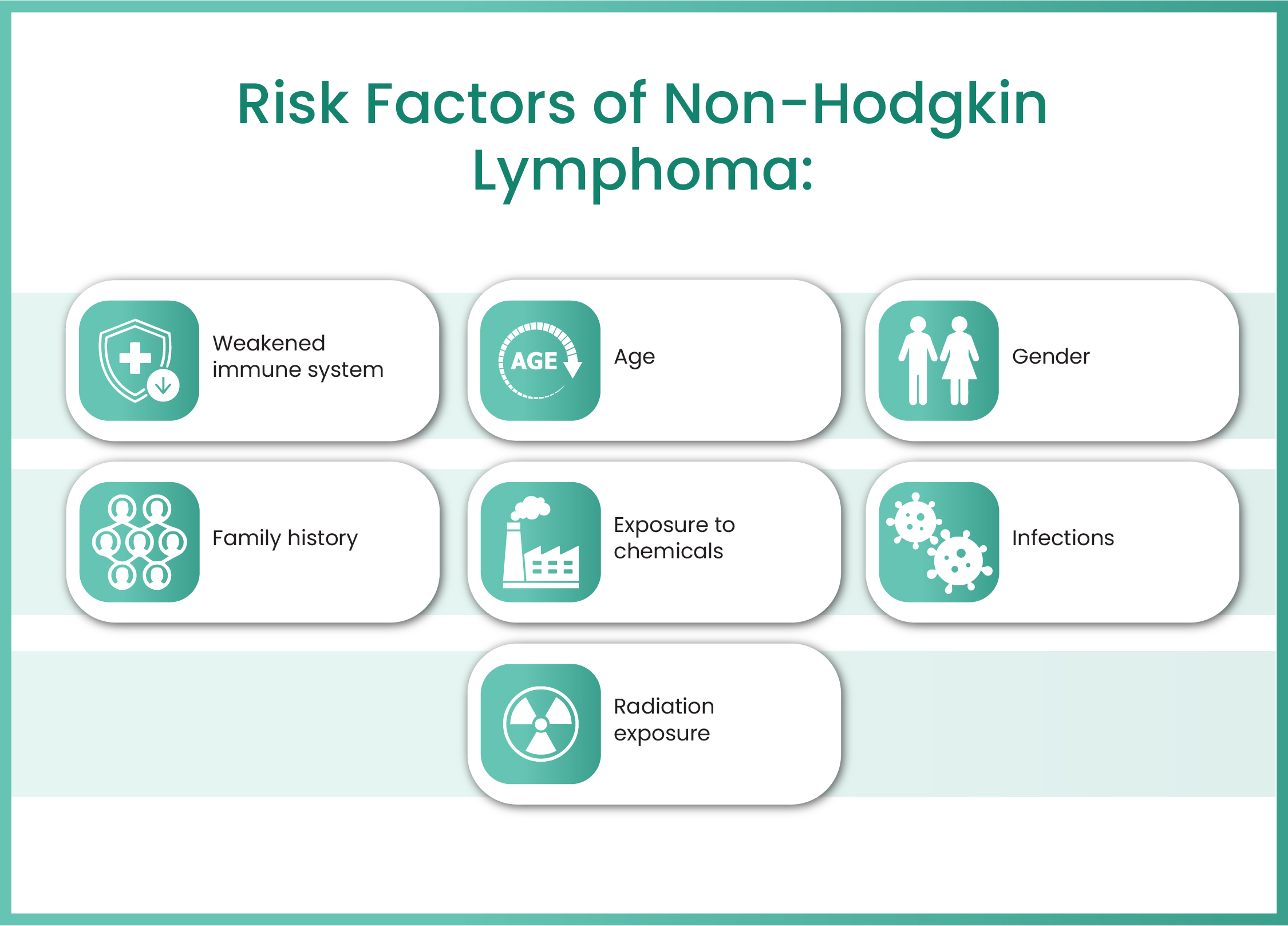
There’s no single known cause of NHL, but several factors can increase the risk:
- Weakened immune system: People with HIV/AIDS, autoimmune disease, or those taking immunosuppressant after organ transplant are more prone.
- Age: it’s more common in people over 60, though it can occur at any age.
- Gender: Males are slightly more likely to develop Non-Hodgkin Lymphoma than females.
- Family history: A family history of lymphoma increases the risk
- Exposure to chemicals: certain pesticides, herbicides, and industrial chemicals may play a role.
- Infections: Viruses like Epstein-Barr virus (EBV), hepatitis C, and Helicobacter pylori bacteria may increase susceptibility.
- Radiation exposure: Previous radiation treatment for other cancers might contribute.
Common Signs and Symptoms:
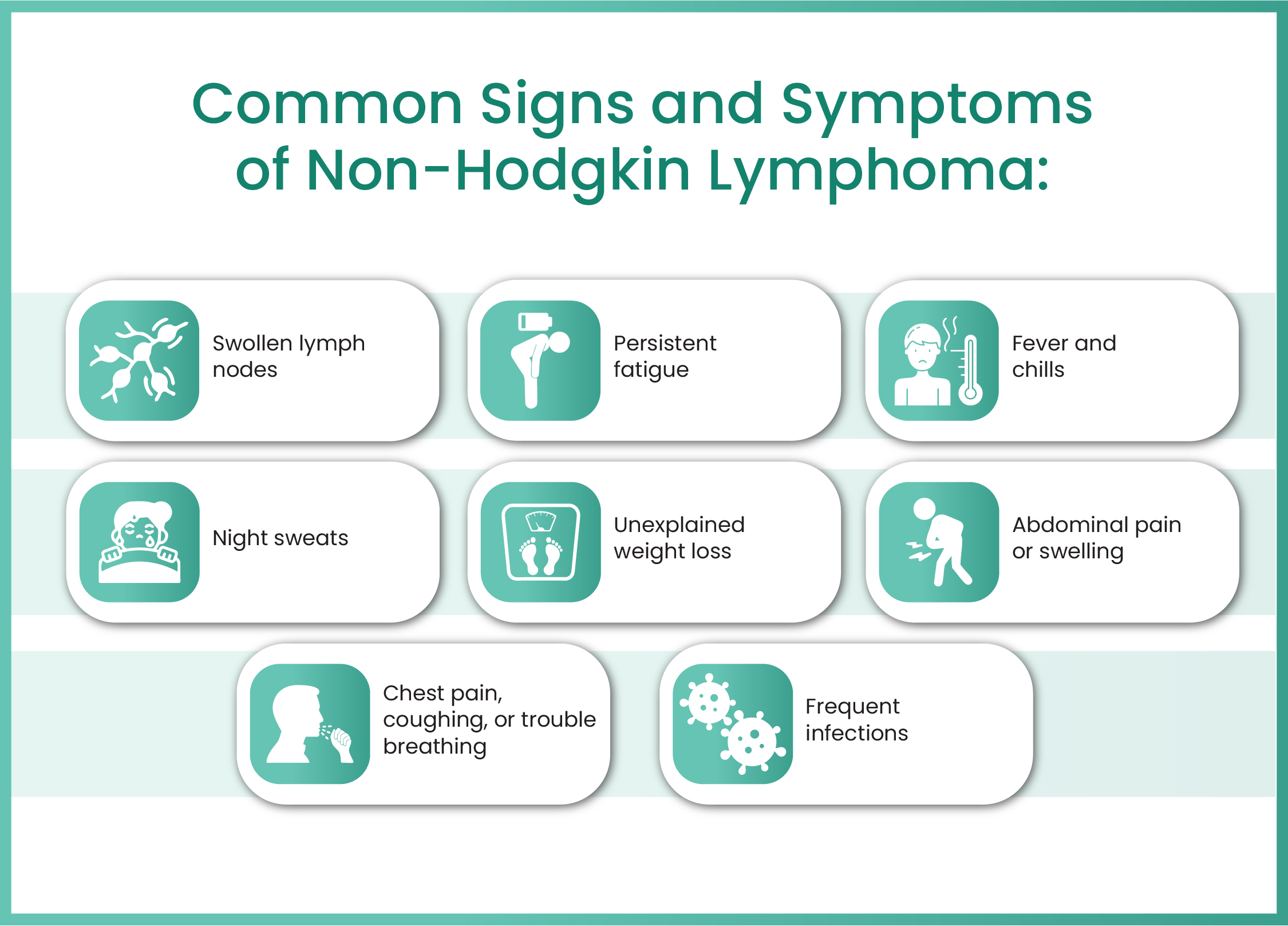
Non-Hodgkin Lymphoma symptoms can vary depending on where the cancer begins and how advanced it is. Some people don’t notice any signs in early stages, which makes regular health checks essential.
Here are the most common symptoms:
- Swollen lymph nodes: Painless lumps in the neck, armpit, or groin.
- Persistent fatigue: Unusual tiredness that doesn’t go away with rest.
- Fever and chills: Often unexplained and recurring.
- Night sweats: Drenching sweats during sleep.
- Unexplained weight loss: Losing weight without changing your diet or activity.
- Abdominal pain or swelling: Caused by enlarged organs or nodes.
- Chest pain, coughing, or trouble breathing: If lymphoma affects the chest.
- Frequent infections: Due to a weakened immune system.
If you experience any of these symptoms, it’s important to seek a consultation with a cancer expert like Dr. Reetu Jain, who is known for her compassionate and thorough approach to diagnosis and treatment.
Diagnosis
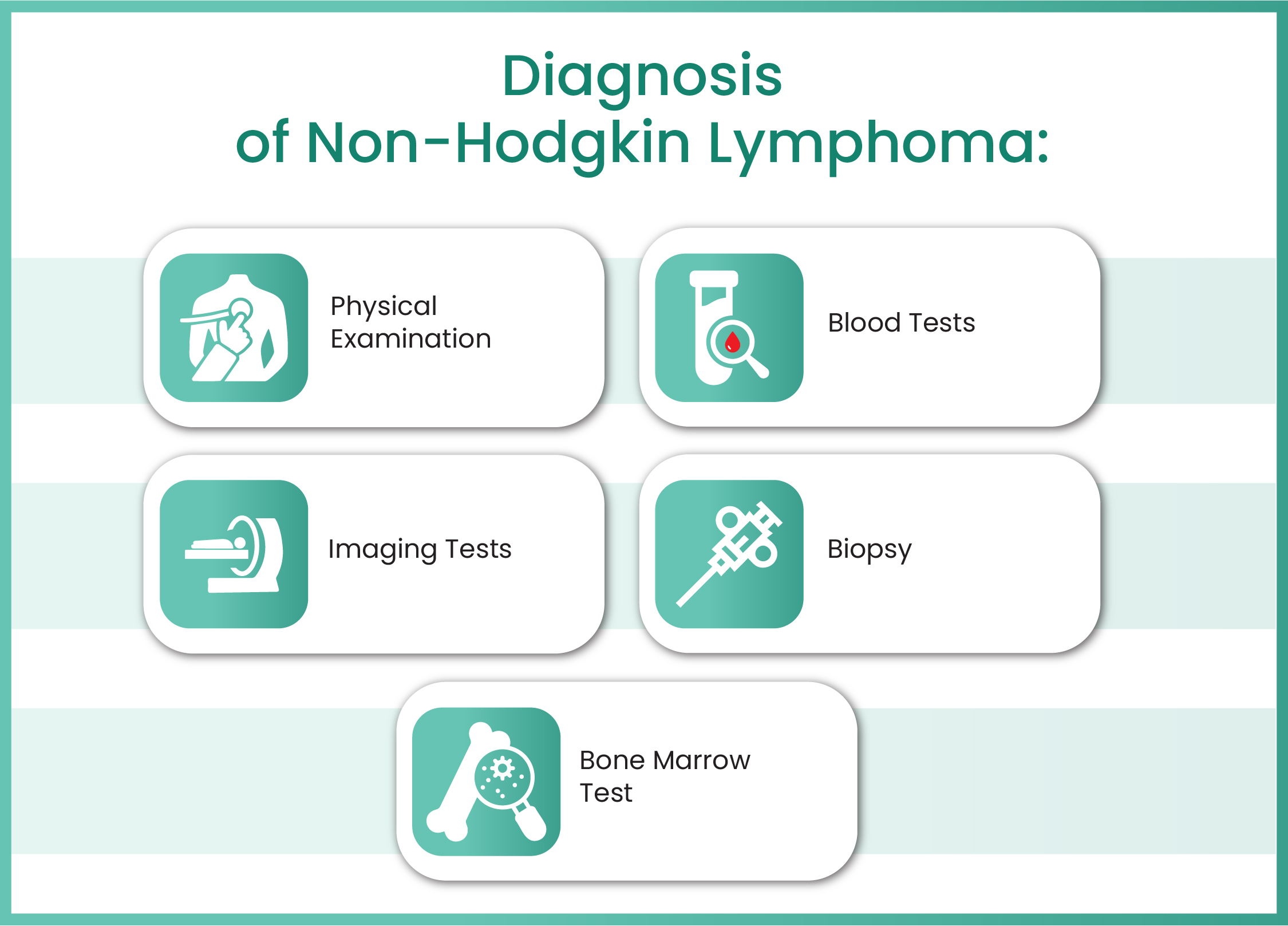
A proper diagnosis is the first and most important step toward effective treatment. Here's how it’s typically done:
- Physical Examination: Your doctor will check for swollen lymph nodes or other signs of illness.
- Blood Tests: These help assess overall health, organ function, and signs of cancer.
- Imaging Tests: CT scans, PET scans, and MRIs show where the lymphoma is located and how advanced it may be.
- Biopsy: A lymph node or tissue sample is removed and examined under a microscope to confirm the diagnosis and identify the type.
- Bone Marrow Test: Sometimes, a sample from the bone marrow is taken to see if the cancer has spread there.
Dr. Reetu Jain, a renowned Non-Hodgkin Lymphoma specialist, ensures a detailed and accurate diagnosis using the latest tools and techniques, giving patients a strong head start in their treatment journey.
Treatment Options:
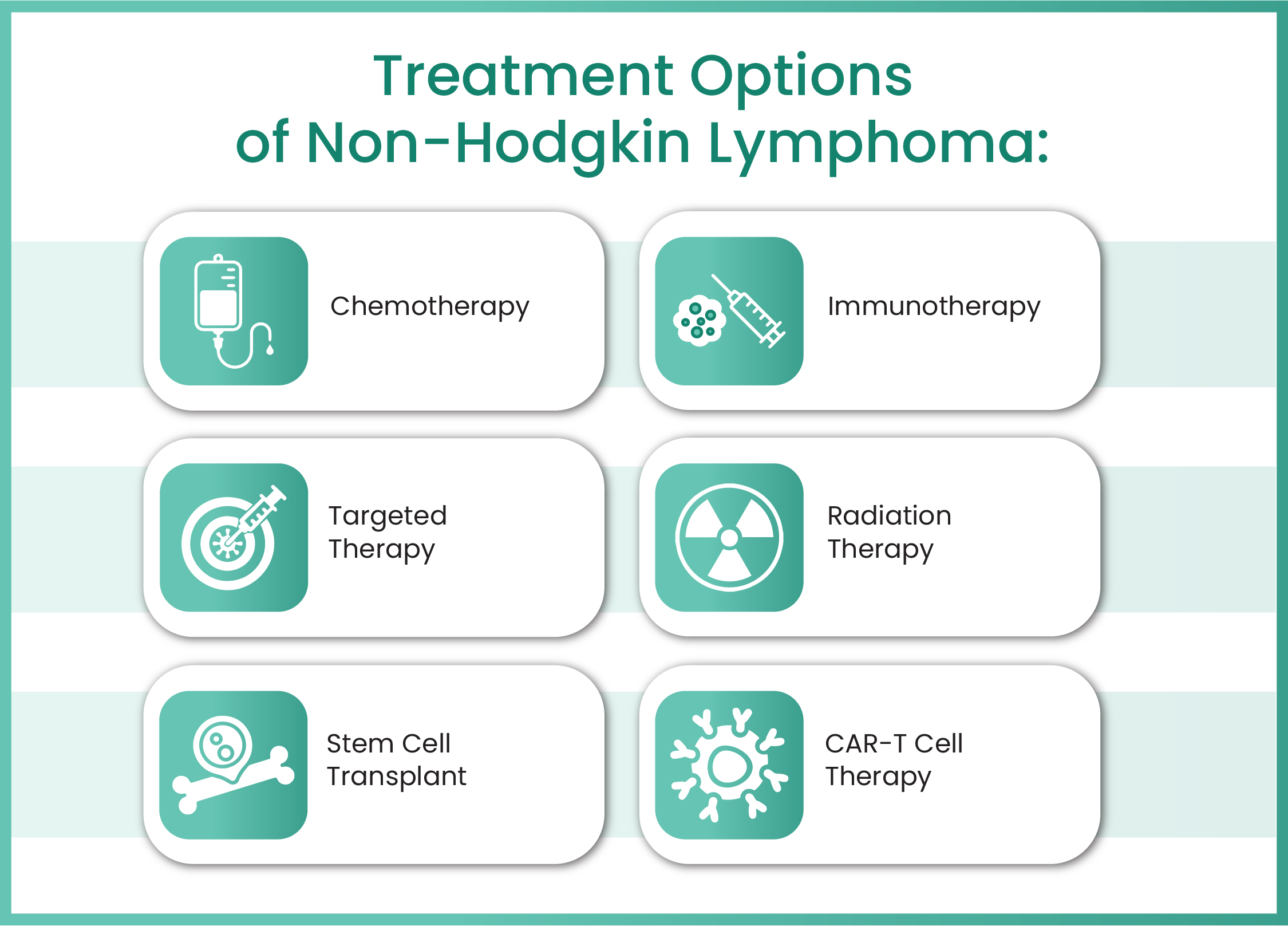
- Chemotherapy: Often the first –line treatment. It uses drugs to kill cancer cells or stop their growth. It may be given alone or combined with other treatments.
- Immunotherapy: Drugs like monoclonal antibodies (e.g., Rituximab) help the immune system recognize and destroy cancer cells.
- Targeted Therapy: These medications target specific parts of cancer cells without harming normal cells.
- Radiation Therapy: High-energy rays are used to shrink or destroy cancer cells, especially when lymphoma is localized.
- Stem Cell Transplant: In some aggressive or relapsed cases, a bone marrow or stem cell transplant may be considered.
- CAR-T Cell Therapy: A cutting-edge treatment where a patient’s own T-cells are modified to fight cancer more effectively.
With her vast experience, Dr. Reetu Jain designs personalized treatment plans that combine medical expertise with patient comfort and long-term wellbeing.
Can Lifestyle Changes Help?
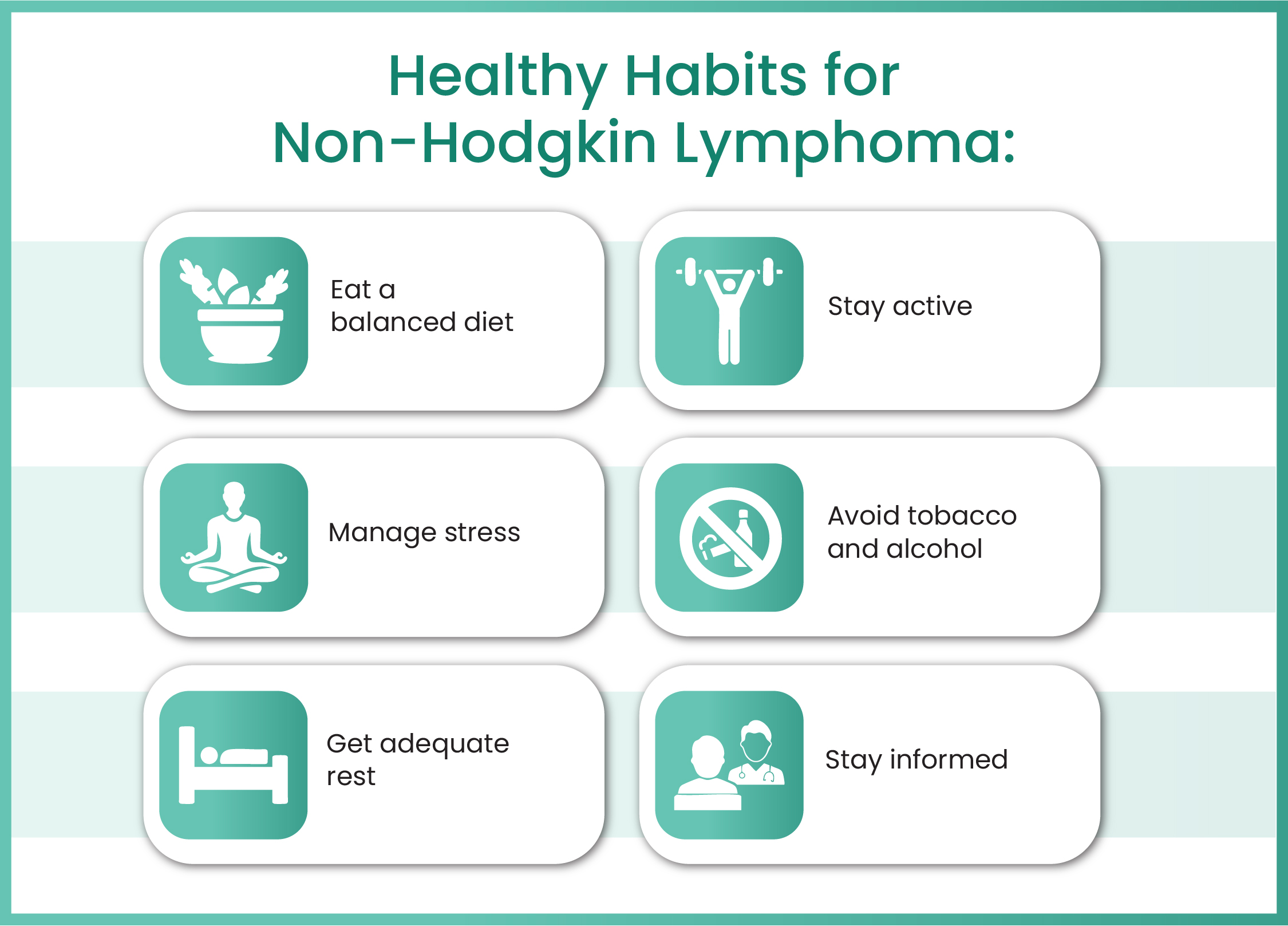
While lifestyle changes alone cannot cure lymphoma, they can significantly support recovery and reduce the risk of complications.
Healthy Habits for Lymphoma Patients:
- Eat a balanced diet: Nutrient-rich food helps your body tolerate treatments better.
- Stay active: Gentle exercises improve energy, reduce fatigue, and enhance mental health.
- Manage stress: Mindfulness, meditation, and counseling can help manage emotional stress.
- Avoid tobacco and alcohol: These can weaken immunity and interact with medications.
- Get adequate rest: Proper sleep supports the immune system and healing.
- Stay informed: Follow your treatment plan, attend follow-ups, and discuss any concerns openly.
Dr. Reetu Jain, a leading oncologist for Non-Hodgkin Lymphoma, often advises patients on lifestyle choices as part of her holistic approach to cancer care.
Dr. Reetu Jain is a renowned medical oncologist with extensive experience in diagnosing and treating various types of blood cancers, including Non-Hodgkin Lymphoma. Recognized as one of the best lymphoma specialists in Mumbai she is known for her patient-centric approach, personalized treatment plans, and commitment to using the most advanced therapies available. Whether dealing with aggressive forms like Diffuse Large B-Cell Lymphoma or slow-growing subtypes like Follicular Lymphoma, Dr. Reetu Jain provides comprehensive care that addresses both medical and emotional needs. Patients trust her expertise not only for accurate diagnosis and effective treatment of Non-Hodgkin Lymphoma but also for her compassionate guidance throughout their cancer journey.
Frequently Asked Questions (FAQs)
The key difference lies in the type of cells involved. Non-Hodgkin Lymphoma does not have Reed-Sternberg cells, which are found in Hodgkin Lymphoma. NHL also has many more subtypes and can behave very differently.
Many types of NHL, especially aggressive ones like Diffuse Large B-Cell Lymphoma, can be cured with the right treatment, especially if diagnosed early. Slow-growing types can be controlled for many years with proper care.
Yes, in some cases, NHL can relapse (come back). However, advanced treatments and second-line therapies are available to manage relapsed or refractory cases. Regular follow-ups are important to catch any recurrence early.
Maintaining a healthy diet, getting regular rest, managing stress, avoiding tobacco and alcohol, and staying physically active can support recovery and overall well-being.